
30 07 2026
The service life of a BESS is also an engineering decision
Storage-system design decisions do not end at commissioning: they determine how the asset will operate and what level of performance it can sustain for years.
By Adriana Ferrini, Engineering Manager at oEnergy.
Chile is experiencing unprecedented growth in energy storage systems. In just a few years, BESS has gone from an emerging technology to a strategic component for integrating renewable energy, reducing curtailment, and providing greater flexibility and resilience to the power system.
However, while much of the discussion focuses on how many MW and MWh will be installed, there is an equally important question: how do we ensure that these assets maintain their performance over the next 20 years?
The answer begins long before commissioning.
By the time a BESS enters operation, much of its future behavior has already been determined through engineering. Thermal design, system sizing, control architecture, operating strategy, and monitoring criteria all shape how the asset will evolve over time.
For this reason, the service life of a BESS is not simply a characteristic of the battery being purchased. It is also the result of engineering decisions that transform that technology into reliable infrastructure designed to operate for decades.
Degradation begins long before it becomes visible
Battery life is commonly discussed in terms of years, cycles, or remaining capacity. However, those figures are based on controlled laboratory conditions.
In a real project, operating conditions differ significantly from those in a laboratory. Each system operates under specific climatic conditions, dispatch profiles, regulatory requirements, and grid constraints. In this context, two projects using the same technology can behave very differently.
The scientific literature confirms this reality.
A study published in the Journal of Power Sources (Wildfeuer et al., 2023), based on the experimental monitoring of 196 commercial cells for nearly two years, showed that variables such as temperature, depth of discharge, state of charge, and current significantly affect the rate of battery degradation.
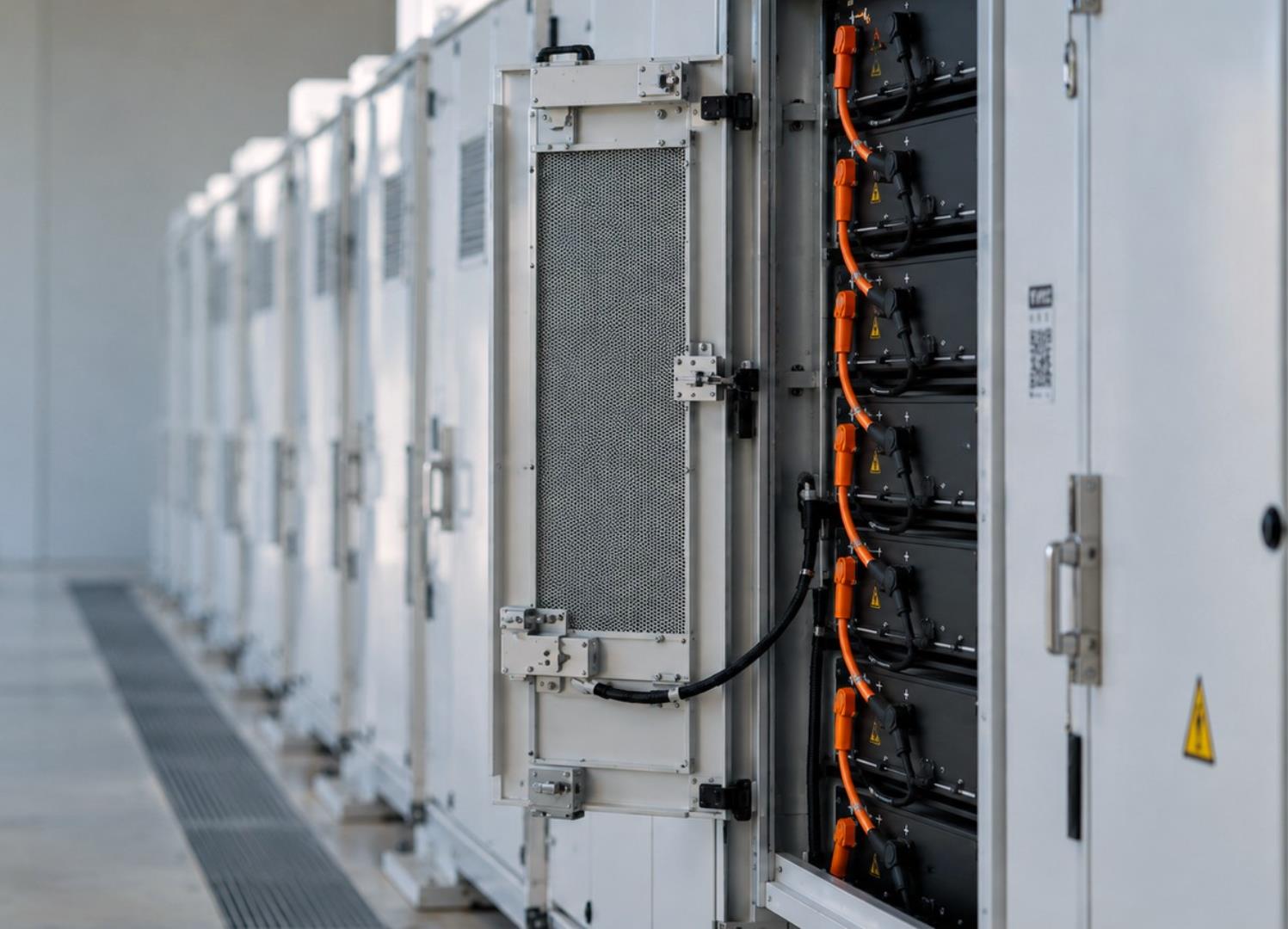
At the full-system level, an analysis published in the Journal of Energy Storage (Gräf et al., 2022) examined a utility-scale BESS providing frequency-regulation services in Germany. The study showed that even within a single container, thermal differences can cause certain modules to age faster than others.
The most important lesson is not that batteries degrade — that is inevitable — but that many of the factors determining the rate of degradation can be influenced through engineering.
Designing means managing future risk
Temperature does not begin to matter during operation; it begins to matter when the cooling system is specified. The charge and discharge strategy does not begin when the operator executes the first dispatch; it begins when the project's power-to-energy ratio is sized. Data quality does not depend solely on software either; it depends on how the BMS, EMS, PCS, SCADA, and instrumentation were conceived during basic and detailed engineering.
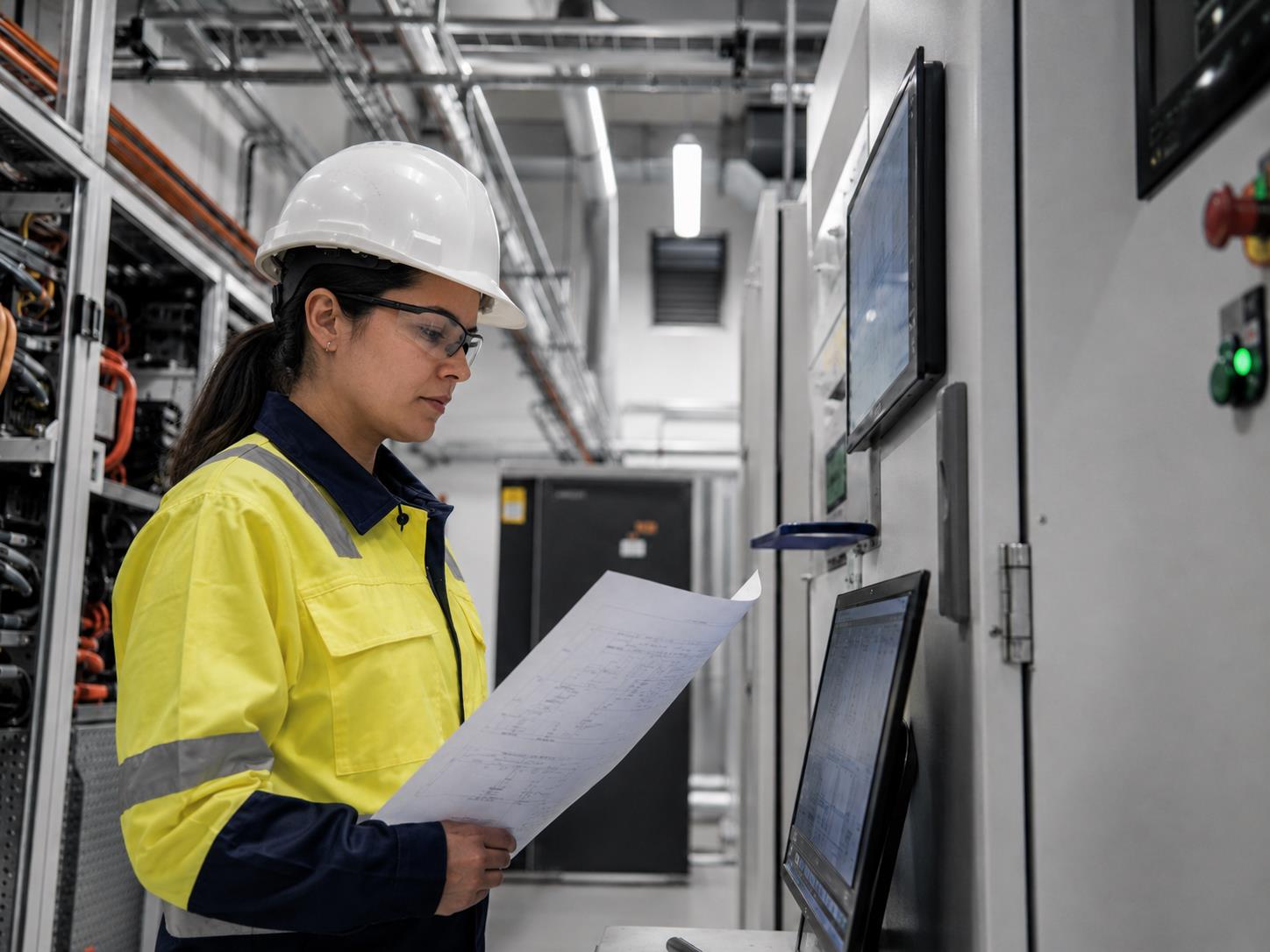
Each of these decisions represents a balance among upfront investment, expected performance, maintainability, availability, and operational risk. Optimizing a project does not simply mean reducing CAPEX. It means designing an asset capable of sustaining its performance throughout its service life.
Optimization is not about choosing the lowest upfront cost
In large-scale projects, engineering must reconcile real trade-offs: greater redundancy requires more investment, a conservative operating window reduces short-term revenue, and more robust controls require additional coordination. There is no universal answer to these trade-offs, but there is a more complete way to assess them: evaluate the asset across its entire life cycle.
As the industry matures, the conversation must evolve as well.
Within a few years, many of the systems being built today will enter a new stage: the end of their first service life. That point raises new questions for engineering.
Will it be possible to replace only the degraded modules? Can system components be reused? Will projects be designed for repowering? Will they facilitate the recycling of strategic materials such as lithium, copper, aluminum, or graphite?
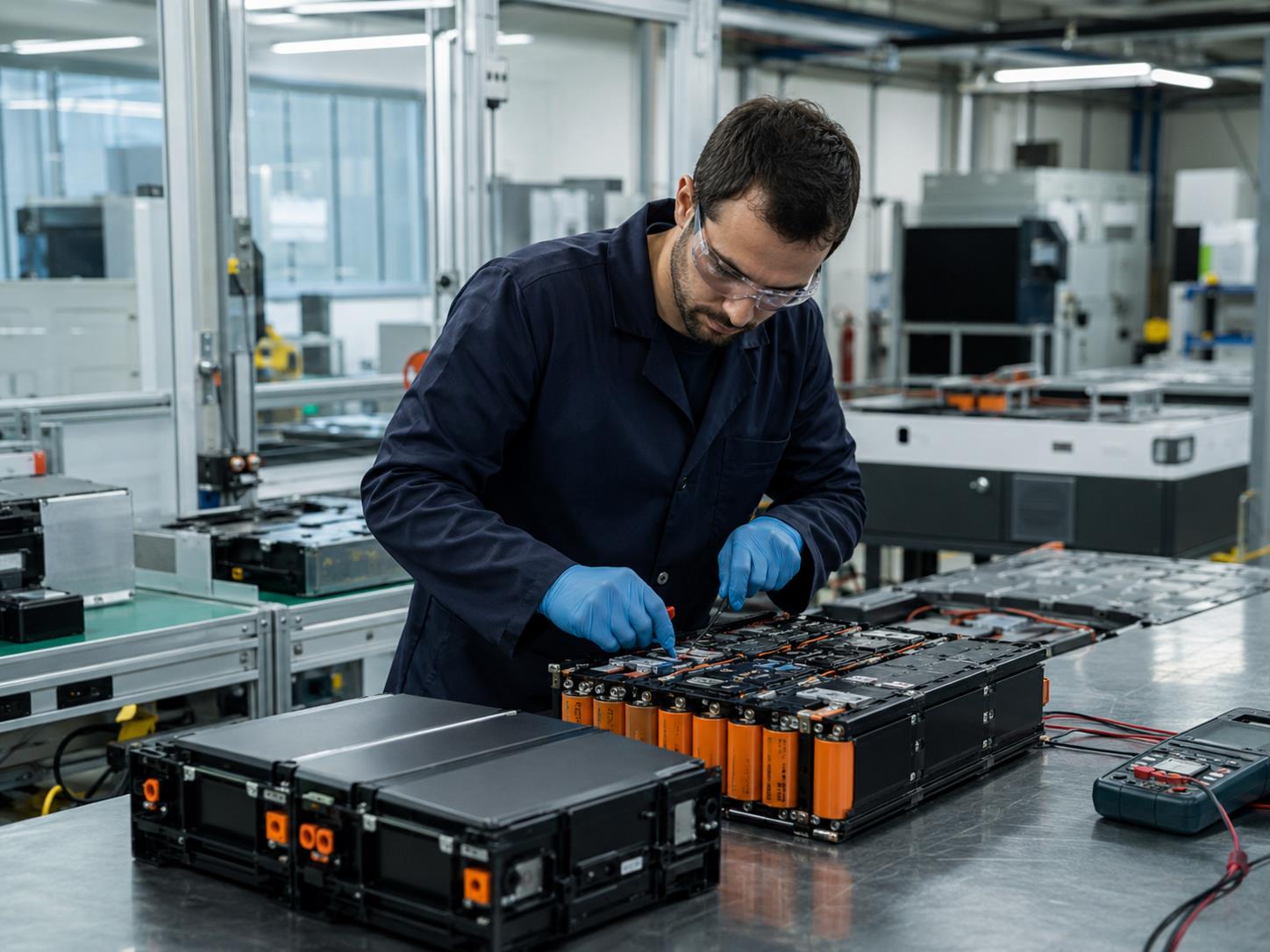
Recent research shows that these questions are already part of the industry's evolution. Reviews on the circular economy and second-life batteries emphasize that system design will be critical to enabling repowering, component reuse, and the efficient recycling of materials, allowing assets to retain value far beyond their first application (Patel et al., 2024; Nazim & Elavarasan, 2026).
This means that the engineering of the future will need not only to maximize performance during operation, but also to enable the asset to evolve technologically throughout its life cycle.
A decision that begins on day one
The gradual loss of battery capacity is inherent to operation. The rate at which it occurs, the availability the system can maintain, its ability to adapt to new technologies, and the value it retains over decades depend largely on decisions made long before the first container is energized.
A battery is manufactured; the service life of the system is engineered. That may well be one of the greatest challenges BESS engineering will face in the years ahead.
Sources:
Wildfeuer et al. (2023). Experimental degradation study of a commercial lithium-ion battery. Journal of Power Sources, 560, 232498.
Gräf et al. (2022). What drives capacity degradation in utility-scale battery energy storage systems? Journal of Energy Storage, 47, 103533.
Patel et al. (2024). Lithium-ion battery second life: pathways, challenges and outlook. Frontiers in Chemistry, 12, 1358417.
Nazim & Elavarasan (2026). Extending battery lifecycles: A holistic review of second-life lithium-ion technology in sustainable energy systems. Renewable and Sustainable Energy Reviews, 233, 116848.

Let's talk
If you are evaluating supply agreements, BESS projects, or alternatives to secure reliable and manageable energy, get in touch.