09 07 2026
From the Solar Boom to Storage: The Muscle Chile Has Already Built
The transition's new phase does not start from scratch. More than a decade of photovoltaic EPC work left behind technical, operational and construction capabilities that today carry directly over into the Balance of System of storage projects.
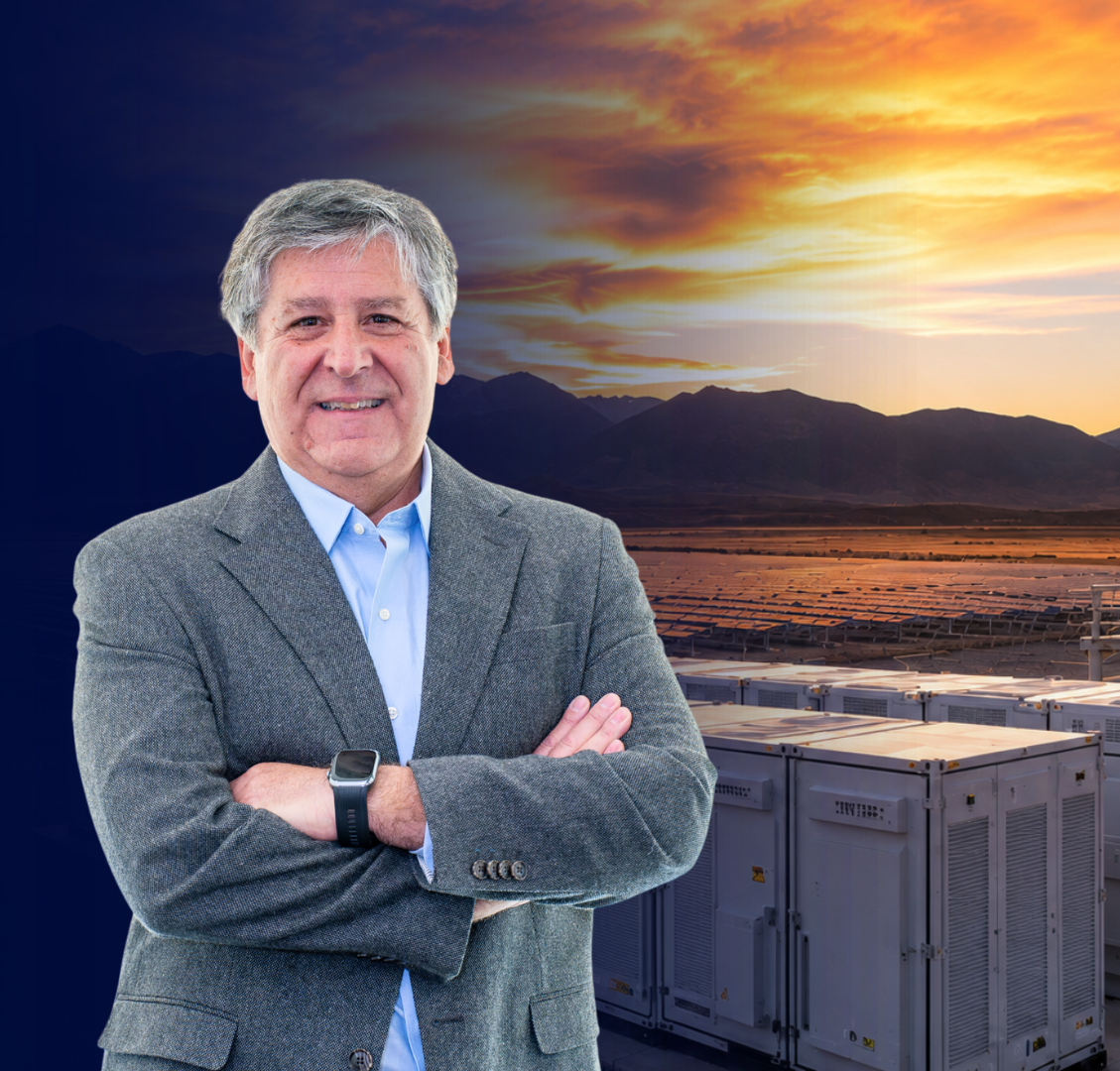
By Ricardo Sylvester, Director of oEnergy
When people talk about storage, it sometimes sounds as though we were facing an entirely new industry—as if Chile had to start from zero to take on the next phase of the transition. My experience at oEnergy since 2013, developing photovoltaic EPC projects, leads me to a different conclusion: a large share of the capabilities that storage requires has already been built.
What happened over the past decade was far more than putting up solar plants. The country trained specialized professionals and a skilled workforce, built companies capable of designing, constructing, operating and managing projects across the entire chain—from the distribution scale to utility-scale plants—consolidated supply chains, and accumulated hands-on knowledge earned in the field.
That human and operational capital is today the platform on which the next phase must be deployed, and that phase has a precise name: convergence. The first stage of the transition consisted of adding large-scale renewable generation; the next consists of integrating it with battery energy storage systems (BESS) to deliver power in a resilient, stable manner that meets the requirements of the National Electric System (SEN). And that convergence is already happening at scale: according to the Energy Sector Monthly Report from the CNE, as of December 2025 there were 70 BESS projects under construction, equivalent to 6,895 MW of net capacity.
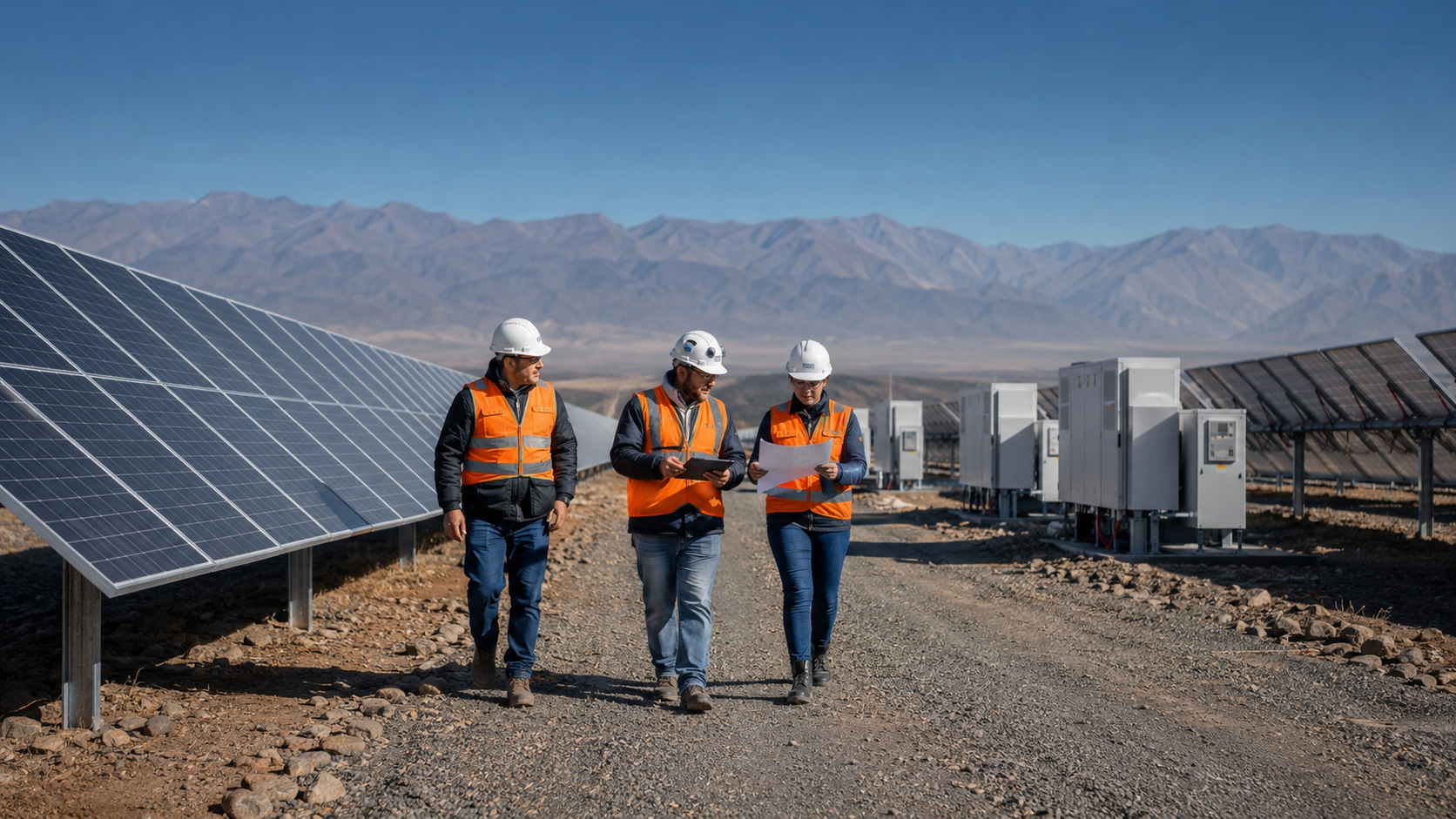
And here is the point worth not overlooking: a large share of the work in a storage project takes place in its Balance of System (BOS)—the very layer of engineering, civil works and electrical assembly that the solar industry refined over years. Rather than an entirely new industry, storage should be understood as an evolution of capabilities Chile has already developed.
The photovoltaic expansion consolidated processes that are now indispensable—risk management, industrial safety, logistics for remote sites, quality control, and commissioning through FAT and SAT testing in the factory and in the field. All of this industrialized assembly, improved repeatability, and created a discipline of execution that now proves crucial for storage.
It also forced the adoption of technical capabilities that had not previously existed at this scale: power electronics, SCADA systems, protection coordination, and coordination with control centers. That experience does not replace the specific demands of batteries, but it provides a concrete base from which to tackle them with greater maturity.
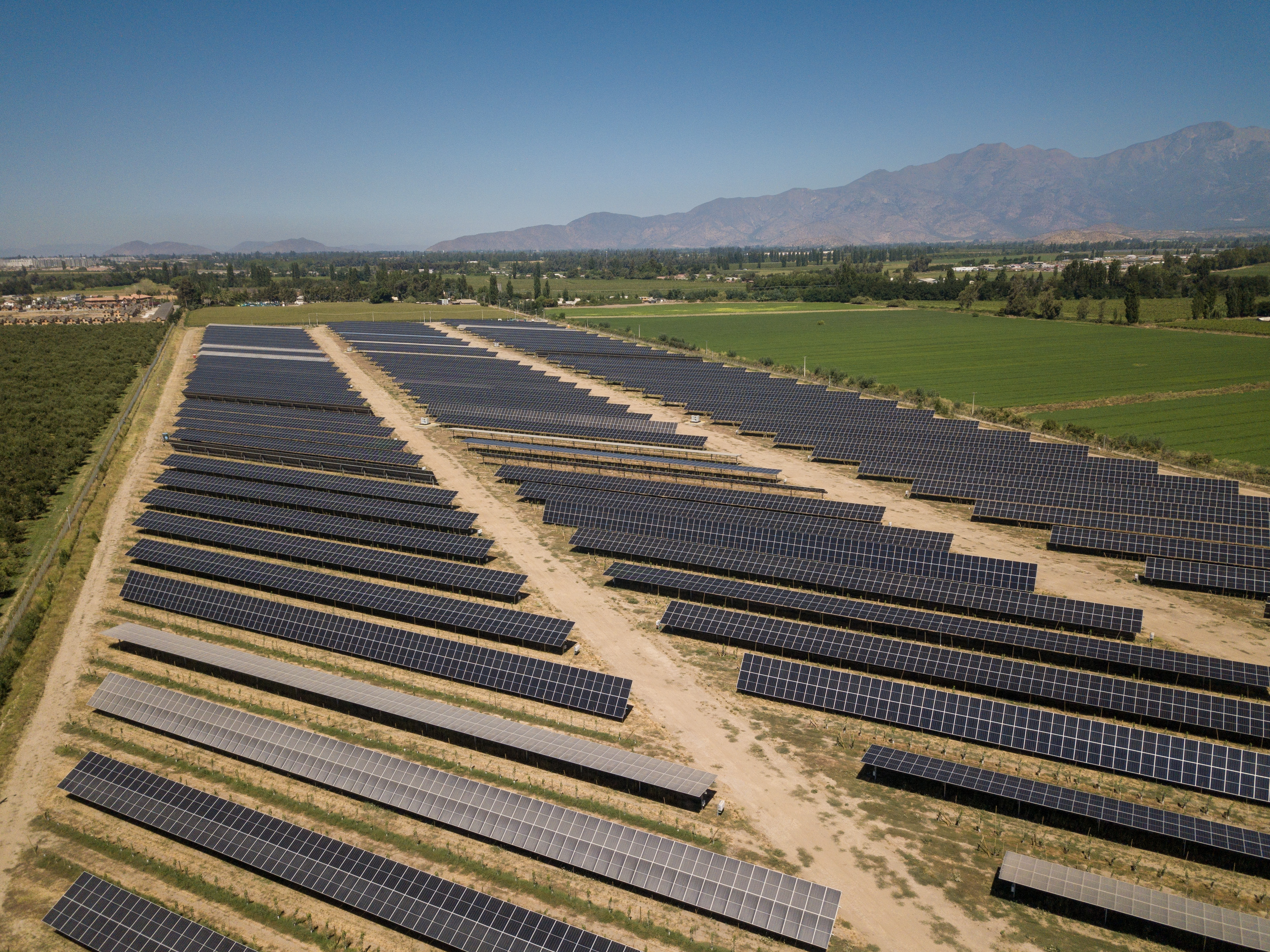
From that first wave, several lessons remain valid: standardizing designs shortens timelines, framework agreements with suppliers contain price risk, early coordination with regulators avoids rework, and O&M must be considered from the design stage. The question, then, is not whether that experience is useful for storage, but how it is put to work. Detailed engineering, civil works, substation assembly, project management, occupational health and safety, and strategic supplies are directly transferable—both to hybrid projects and to standalone BESS systems: much of the knowledge infrastructure that storage requires does not need to be invented.
That does not mean downplaying what is new. Storage introduces specialized complexities in control, supervision and energy management, where robust integration must be guaranteed between the power conversion system (PCS), the battery management system (BMS) and the energy management system (EMS). It also changes commissioning: to the traditional tests are added dynamic trials—charge and discharge cycles, thermal performance, response to contingencies, and verification of parameters such as efficiency, availability and degradation—along with strategies that integrate technical, operational and economic variables to maximize the asset's value in the SEN.
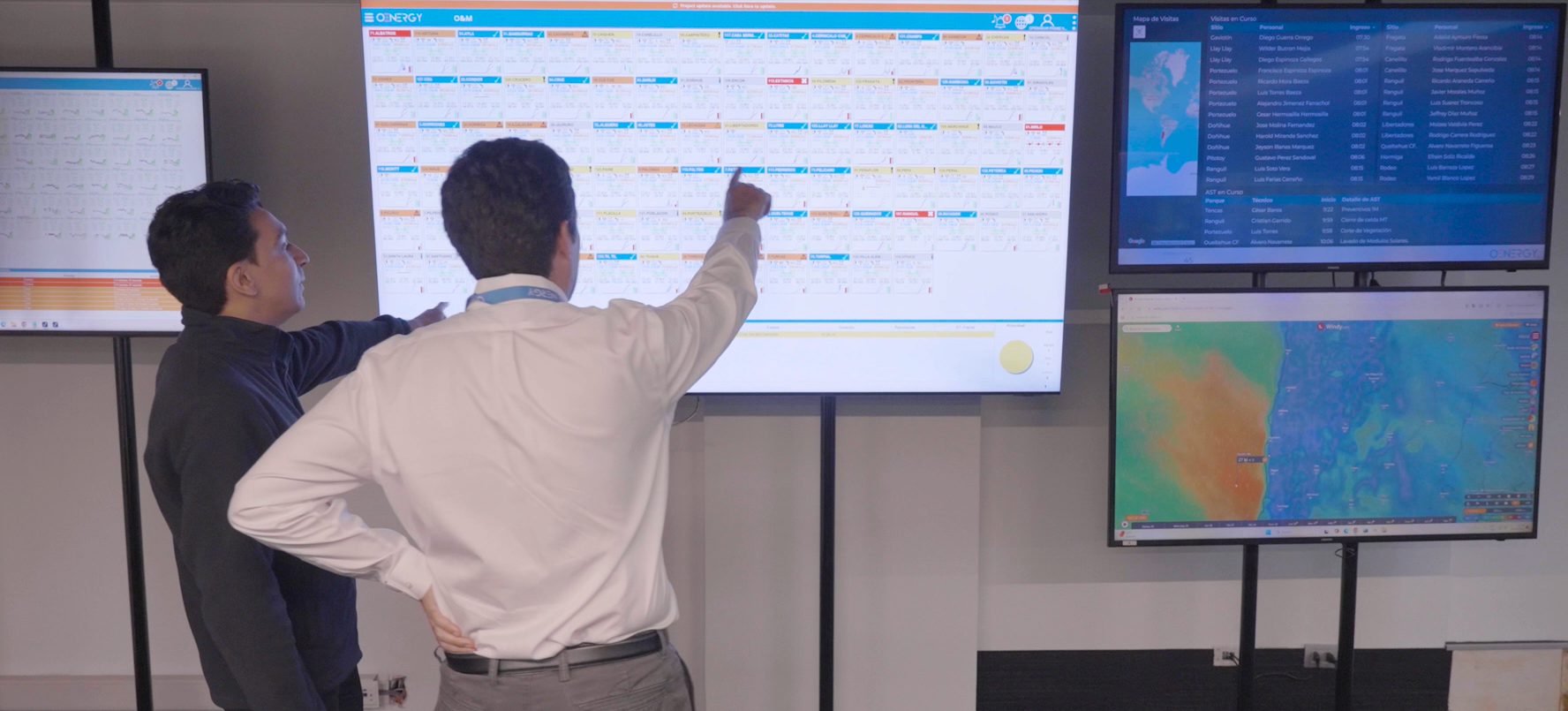
That is the real frontier: systems integration, advanced control, power electronics, industrial cybersecurity and intelligent energy management are the differentiating factor between a conventional solar plant and a utility-scale storage facility. But that layer becomes manageable when experience already exists in electrical integration, automation, and coordination with the system.
The technology exists, evolves and operates at large scale in different markets: that is not where Chile faces the greatest uncertainty. The challenge is, to a large extent, one of execution: turning complex projects into operational, safe and reliable infrastructure. And execution is, precisely, what the domestic industry learned to do.
The companies that developed solar plants during those years—oEnergy among them—today advance storage projects not from a blank page, but by projecting onto new infrastructure the lessons earned project by project.
In that continuity—in the ability to execute the convergence between generation and storage—lies one of its greatest strengths for building an electric system that is more resilient, more flexible, and better prepared for what lies ahead.
Source: National Energy Commission (CNE). Energy Sector Monthly Report. January 2026. https://www.cne.cl/wp-content/uploads/2026/01/RMensual_v202601.pdf
Let's talk
If you are evaluating supply agreements, BESS projects, or alternatives to secure reliable and manageable energy, get in touch.