
26 08 2026
From operating assets to managing their value
In an increasingly complex power system, operating well is no longer enough. The challenge is to integrate operations, market dynamics, regulation, technology, and risk to make better decisions and maximize asset value throughout their entire lifecycle.
By Cristián Soto, Asset Management and O&M Manager
In an increasingly complex power system, operating well is no longer enough. The challenge is to integrate operations, market dynamics, regulation, technology, and risk to make better decisions and maximize asset value throughout their entire lifecycle.
The rapid deployment of renewable energy sources has profoundly transformed our power system and, with it, the demands placed on those of us responsible for managing its assets.
Transmission constraints, new dispatch conditions, energy storage, regulatory changes, and operational risks—from weather-related contingencies to theft and intrusions at facilities—now coexist within the same equation.
Having worked for four years in international markets allowed me to observe similar processes in systems that have already gone through part of this journey. For that reason, rather than interpreting this complexity as a problem, we should understand it as a sign of our industry’s maturity and an invitation to evolve the way we manage assets.
Chile has world-class renewable resources, an industry that has accumulated significant knowledge and technical capabilities, and an ecosystem that continues to adopt new technologies. The context we are facing is a consequence of the speed and depth at which the power system is changing.
For those of us responsible for managing and operating renewable assets, this process presents concrete opportunities.

From Building Capacity to Managing Assets
During the first stage of Chile’s energy transition, a significant share of efforts focused on developing, building, and commissioning new capacity. That task remains essential, but the growth and maturation of the installed asset base present a second challenge: managing that infrastructure throughout its entire lifecycle.
This requires broadening our perspective. Managing an asset is not simply about generating more energy or correctly executing a maintenance plan. It means simultaneously understanding its technical performance, market conditions, regulatory framework, contracts, costs, risks, and investment alternatives. It is this integrated perspective that makes it possible to decide where to intervene, when to invest, which risks to assume, and how to capture value-creation opportunities.
The transformation of the market makes this perspective especially necessary. The growing penetration of renewables, transmission constraints, and the deployment of energy storage are changing how and when energy is generated, as well as the conditions under which it can be injected into the system.
Regulation is also evolving in response to a changing power system. Recent developments in areas such as operational coordination and cybersecurity point to a common trend: assets must interact with a system that is becoming increasingly demanding, dynamic, and coordinated. For their owners and operators, this means incorporating the regulatory dimension into the day-to-day management of the asset, anticipating its impacts, and adapting operations and investment decisions accordingly.
Added to this are risks that, until a few years ago, may have seemed peripheral to asset management. Extreme weather events, access issues, theft, and vandalism can directly affect availability, costs, and operational continuity.
These are cross-cutting concerns: during this winter, the SEC has required companies to strengthen their contingency plans in response to weather events, while the Generadores Independientes de Energía (GIE), the association of independent power generators, included facility security among its priorities for the 2026–2030 cycle, highlighting the need for effective measures.
The scale of this latter phenomenon can be seen across electricity networks: during 2025, CGE reported 1,426 cable theft incidents and more than 420 kilometers of stolen conductor, compared with 774 incidents and 225 kilometers in 2024. These figures correspond to distribution and transmission networks, but they illustrate the scale the problem has reached for electrical infrastructure deployed in the field.
We cannot control all of these variables, but we can decide how prepared we are to face them.
Operational Excellence as the Response
Operational excellence therefore becomes a necessary condition for managing value. It is not simply about maximizing availability, but about identifying deviations before they turn into losses, properly prioritizing interventions, and responding quickly when a contingency occurs. Good management also requires understanding that not every technical improvement necessarily creates value.
Decisions must take into account the cost of intervention, recoverable energy, market conditions, the asset’s remaining useful life, and the associated risks. This ability to prioritize is probably one of the main differences between operating an asset and managing one.
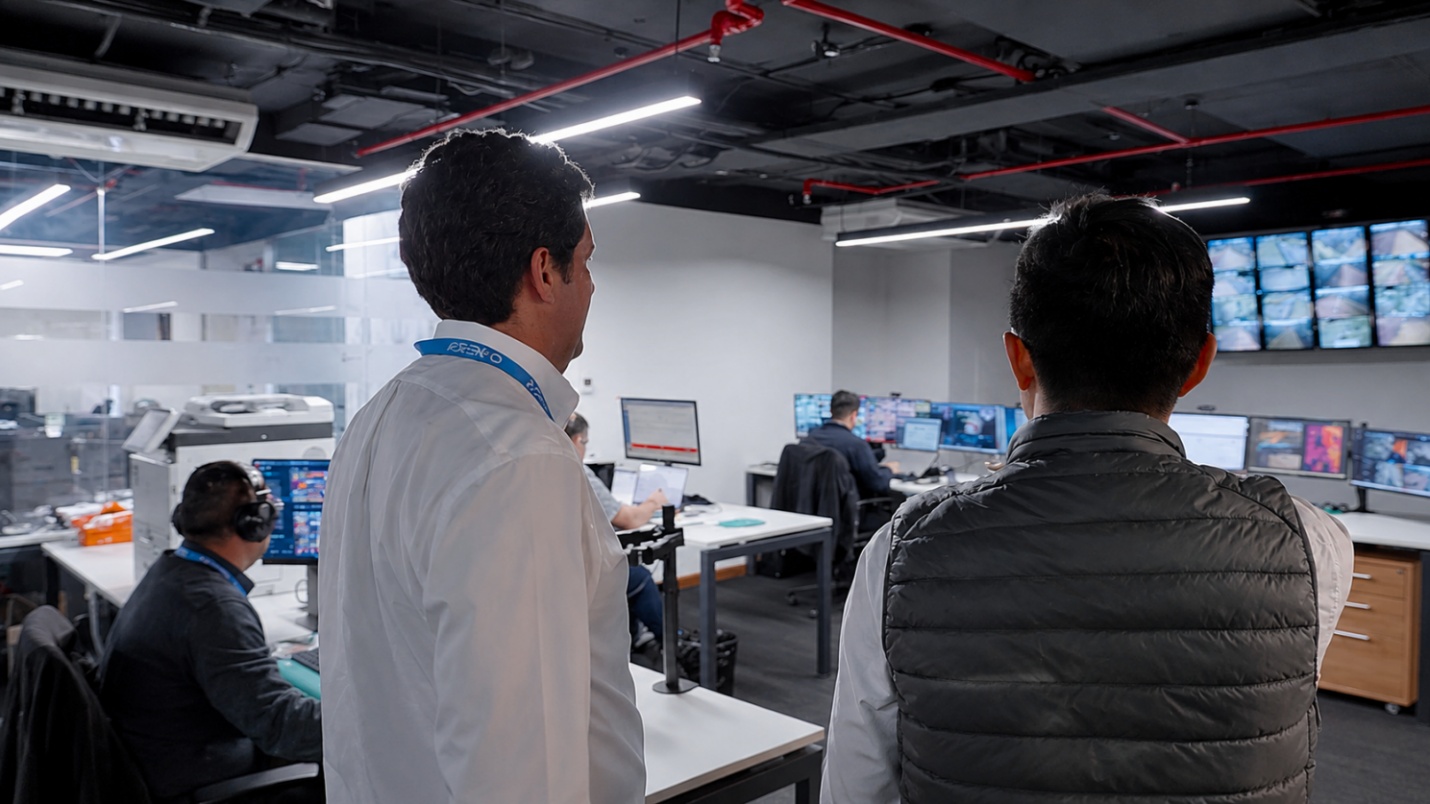
Digitalization makes it possible to further strengthen this capability. Integrating operational, commercial, and maintenance information helps identify losses, compare performance across assets, anticipate failures, and direct resources toward the interventions with the greatest impact. The value of technology does not lie in accumulating information, but in reducing the time and uncertainty involved in decision-making.
As asset complexity increases, it becomes increasingly important to choose the right partners and build long-term relationships with those who bring complementary capabilities. Manufacturers, technology providers, specialists, contractors, owners, and operators must work toward aligned objectives, with clear responsibilities, trust, and the ability to respond.
This collaboration also extends to different stakeholders. Distribution companies, the Coordinador Eléctrico (National Electricity Coordinator), authorities, and communities are all part of an asset’s day-to-day environment. Maintaining ongoing communication and strong relationships is not only important when a problem arises; it is part of good management.
From O&M to an Integrated Asset Perspective
From this perspective, Asset Management and O&M are distinct but deeply complementary disciplines. O&M provides an understanding of the asset through its operational reality: how it performs, where it loses availability, what fails, and what it needs. Asset Management incorporates this information into a broader perspective, connecting it with the market, regulation, contracts, and the asset owner’s business objectives.
When they work in an integrated manner, operations cease to be merely a technical function and become a continuous source of information for making better business decisions.
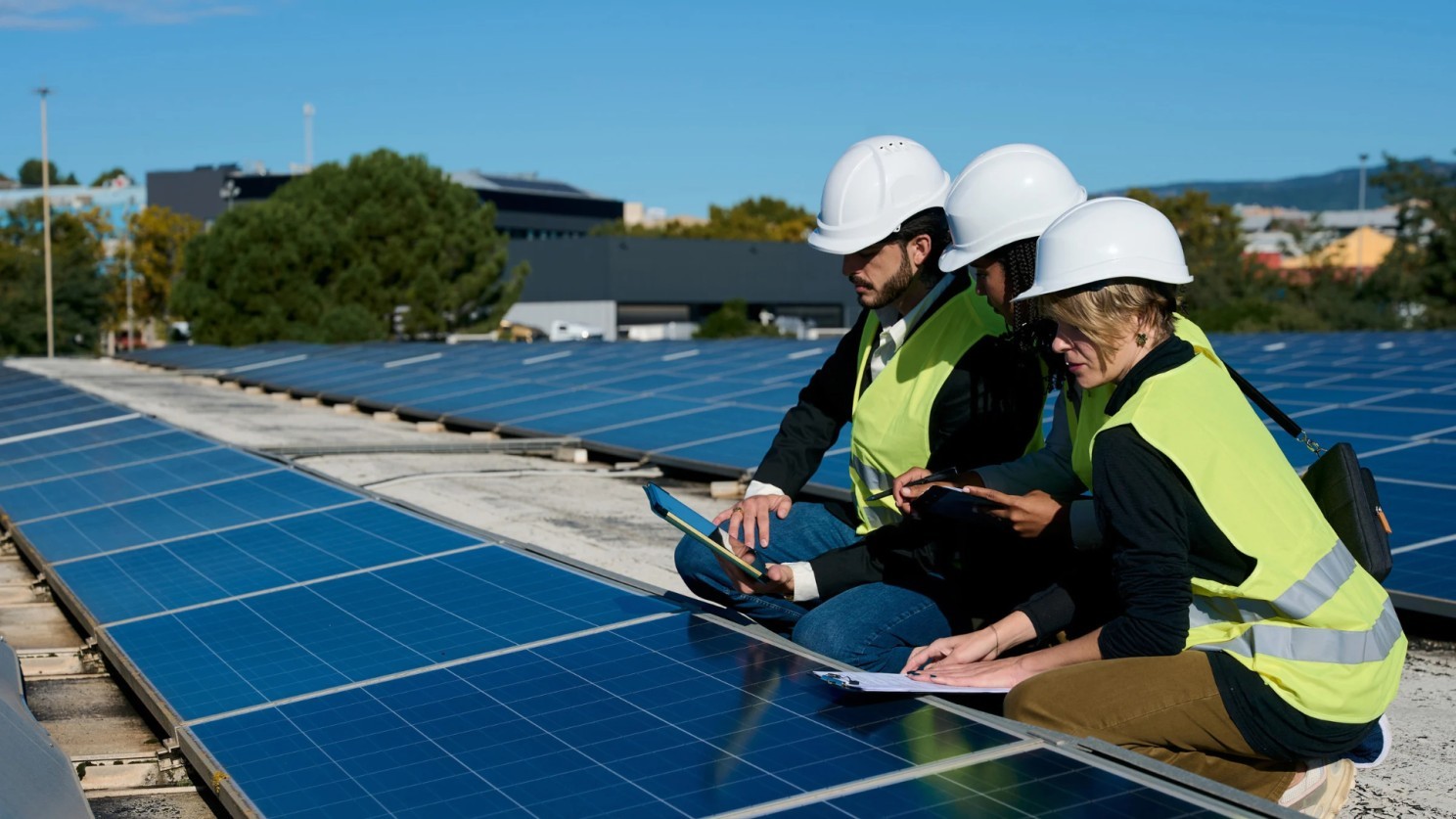
Chile still has challenges to solve, and new ones will emerge as the energy transition continues to advance. But we have a more mature industry, new technologies, accumulated knowledge and, above all, human capital with growing experience and increasingly developed capabilities to address them.
For that reason, rather than seeing the current transformation as a source of uncertainty, I prefer to see it as an opportunity.
The next stage will not depend solely on how much new renewable capacity we are able to build, but also on how well we manage the capacity we already have. If we are able to combine a long-term perspective, operational excellence, technology, human capital, and the right partners, we will be able to turn the system’s growing complexity into better decisions and better-performing assets.
Because operating well will remain essential. But managing well will mean knowing what decision to make, when to make it, and how that decision contributes to the asset’s long-term value.
Sources:
National Energy Commission (CNE), Update to the Technical Standard for the Connection and Operation of PMGD (NTCO PMGD), February 19, 2026.
Superintendency of Electricity and Fuels (SEC), SEC instructs electricity companies to adopt measures in response to a weather system expected to affect a significant part of the country, July 14, 2026.
CGE, 2025 cable theft report, released in February 2026: 1,426 incidents and 420,922 meters of stolen conductor, compared with 774 incidents and 225 kilometers recorded in 2024.

Let's talk
If you are evaluating supply agreements, BESS projects, or alternatives to secure reliable and manageable energy, get in touch.