
26 06 2026
A New Energy Paradigm for Mining
Declining ore grades and growing seawater dependence. Copper mining's electricity demand could grow faster than production, creating new challenges for the energy system.
Chilean copper mining is approaching a milestone that seemed distant just a decade ago. According to Cochilco projections, by 2030 more than 98% of electricity consumed by copper mining is expected to come from renewable sources.
As this transition advances, a different question emerges: what happens when an industry needs increasingly more electricity to achieve only modest copper production growth?
Cochilco projects that between 2025 and 2034, copper production will grow 8.3%, while electricity consumption will rise 20.2%.
The challenge shifts toward the electrical intensity of processes and the capacity to meet increasingly intensive and operationally critical demand.
In this context, the next phase of mining's energy transition will depend less on how renewable the electricity mix is and more on how manageable, flexible, and reliable the supply can be.
More Energy to Produce the Same Copper
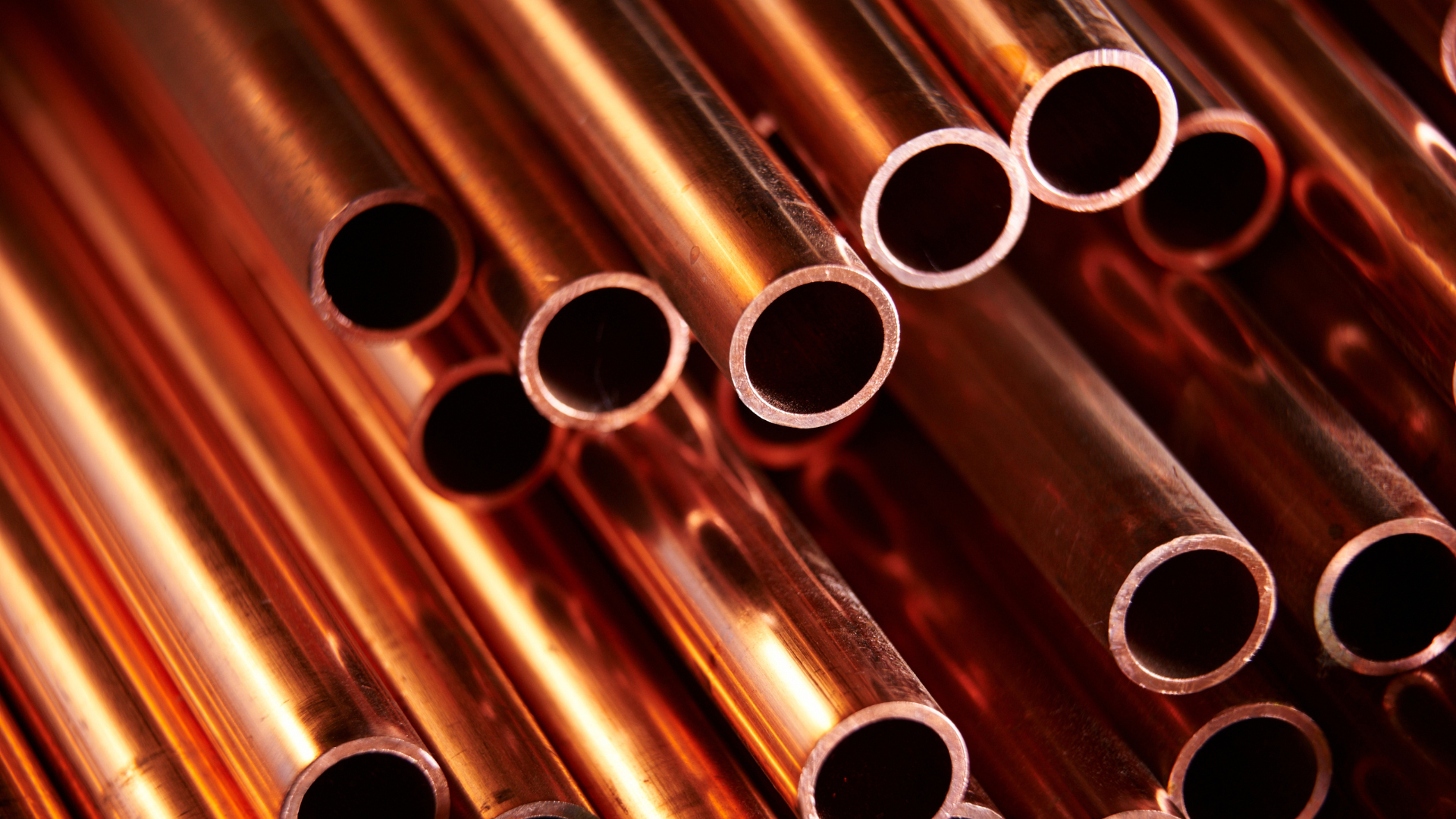
Copper mining has always been energy intensive. What is changing is the relationship between what is produced and the energy needed for it.
The progressive decline in ore grades forces mining operations to process larger volumes of material to extract the same amount of copper. At the same time, there is an increasing share of sulfide ores, whose processing is more complex and energy-intensive.
Behind the projected growth lies a deeper transformation: while concentrate production would grow 15.8%, cathode production would decline 20.7%. Since concentrate production is more energy-intensive, by 2034, 78% of copper mining's electricity consumption would be associated with concentrate production (Cochilco).
An S&P Global analysis points in the same direction: the combination of lower ore grades, larger processing volumes, and growing water requirements not only increases total electricity consumption but also the complexity of managing it.
The challenge is no longer solely having renewable energy available but securing a manageable, flexible, and reliable supply: available when the process requires it, flexible enough to respond to operational variations, and capable of sustaining continuity and competitiveness. This pressure on the system comes not only from mineral processing; it is also intensified by how mining is addressing its growing water needs.
The Water Dimension
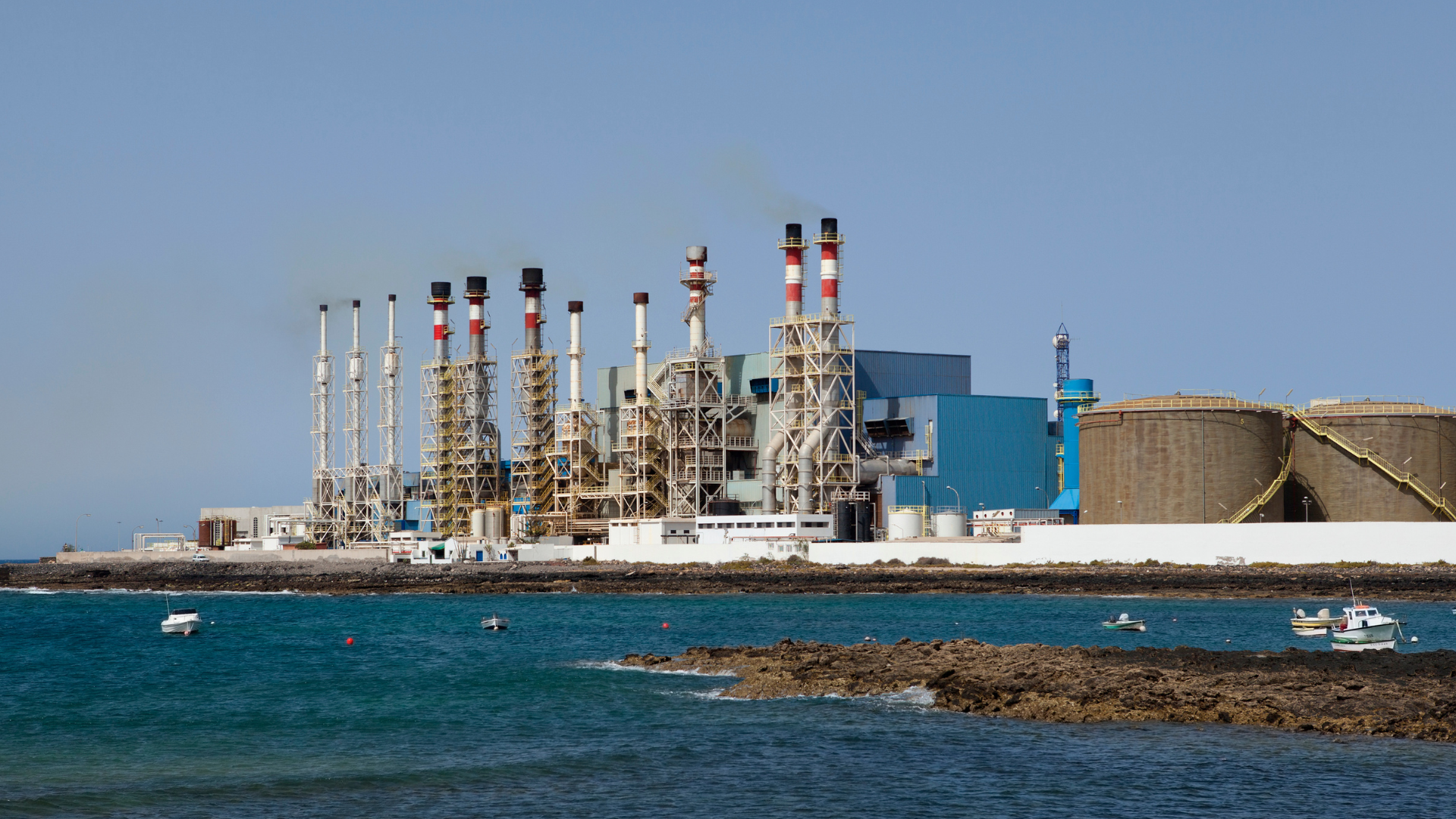
The use of seawater and the development of new desalination plants respond to a known necessity: reducing pressure on continental sources and ensuring supply in zones with growing water stress. S&P Global estimates that by 2034, 71.5% of water used by mining in Chile would come from seawater.
The energy dimension of this process is less widely understood. Electricity consumption associated with seawater use would increase from 3.4 TWh to 5.4 TWh by 2034, becoming the sector's second most electricity-intensive process after concentrate production. More than 80% of that consumption would be associated with pumping from the coast to operations located at high altitude, according to Cochilco. The water transition is not only a supply challenge—it is also a growing energy requirement.
Viewed together, the shift in mineral composition and the expansion of seawater use show that mining faces a broader operational transformation in which electricity becomes a critical condition for sustaining production, continuity, and competitiveness.
Beyond Decarbonization
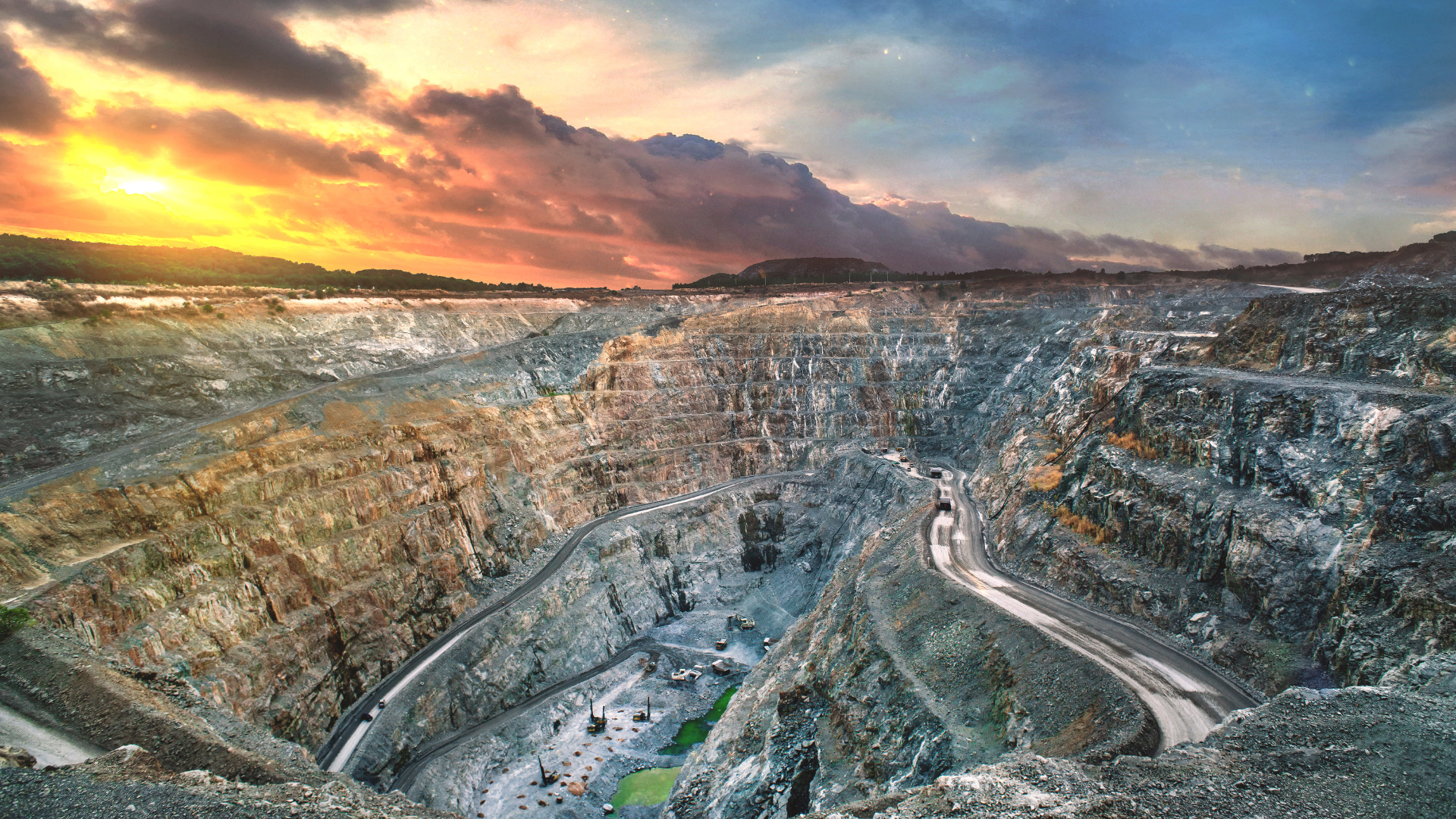
Copper mining is moving toward a nearly renewable power supply mix while simultaneously becoming more electricity-intensive. It processes more complex minerals, increasingly depends on seawater, and requires higher energy levels to sustain operations.
The next stage of its energy transition will be defined, increasingly, by how the industry manages electricity consumption that is growing faster than its own production.
As the electrical intensity of processes increases, the cost of energy is no longer the only relevant criterion. The effective availability of supply, the flexibility to adapt to variable consumption profiles, and the capacity to shift, back up, or stabilize demand at critical moments also become determining factors.
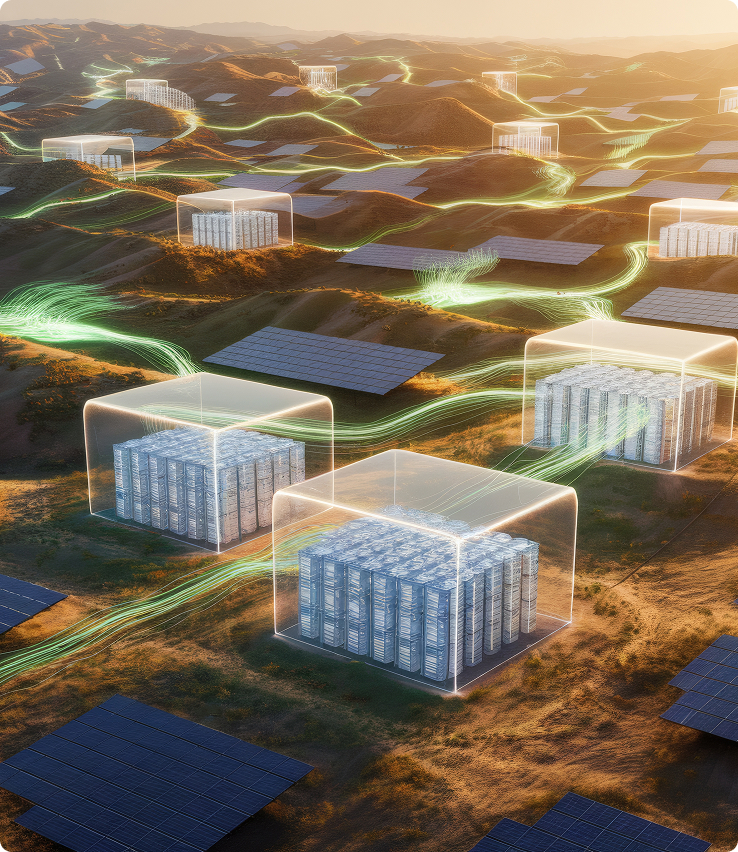
Decarbonization remains essential, but no longer sufficient: value shifts toward solutions capable of combining renewable generation, storage, and operational flexibility to deliver firm energy aligned with the actual demand profiles of major mining operations.
In this context, oEnergy's value proposition gains strategic relevance: it is not only about supplying renewable energy, but about transforming it into a manageable solution for clients with increasingly complex operational requirements, through the integration of generation, storage, and more resilient supply schemes.
Value will increasingly shift toward actors capable of combining renewables, storage, and operational design to deliver firm, flexible energy aligned with large-scale mining's real operating needs.
This is the space where oEnergy seeks to build leadership: helping transform renewable abundance into reliable energy performance.
Sources: Chilean Copper Commission (Cochilco). Electricity Consumption Projection Report in Copper Mining - Period 2025-2034. March 2026. https://www.cochilco.cl/web/informe-proyeccion-del-consumo-de-energia-electrica-en-la-mineria-del-cobre-periodo-2025-2034/ S&P Global Market Intelligence. Water, energy pressures are driving up Chile's mining costs. April 2026. https://www.spglobal.com/market-intelligence/en/news-insights/research/2026/04/water-energy-pressures-are-driving-up-chiles-mining-costs
Let's talk
If you are evaluating supply agreements, BESS projects, or alternatives to secure reliable and manageable energy, get in touch.